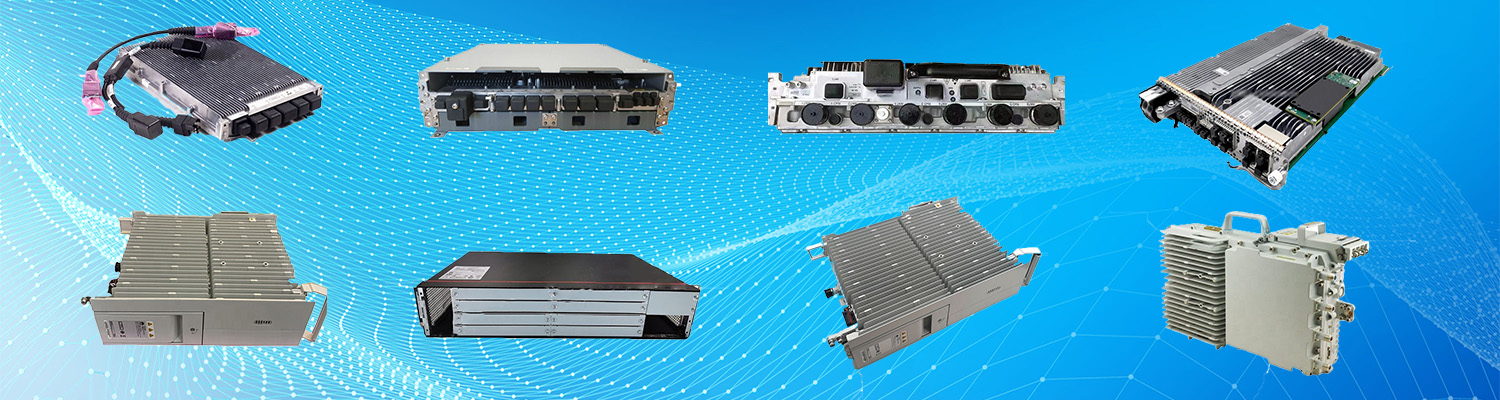
À l'ère de l'informatique en nuage explosive, de l'interconnexion de centres de données (DCI) et de la croissance du trafic pilotée par l'IA, les infrastructures réseau traditionnelles peinent à suivre le rythme face à l'augmentation des demandes de bande passante, aux exigences de service complexes et aux objectifs stricts d'efficacité opérationnelle. Les opérateurs télécoms, les fournisseurs de cloud et les réseaux d'entreprise ont un besoin urgent d'une plateforme de transport unifiée, évolutive et intelligente pour rationaliser les opérations réseau multicouches, réduire les coûts généraux et prendre en charge des mises à niveau de service flexibles. En tant que solution de transport optique par paquets leader sur le marché, la Ciena 6500 Series Packet-Optical Platform est devenue la pierre angulaire des réseaux adaptatifs modernes, plébiscitée par plus de 1 000 opérateurs réseau dans le monde.
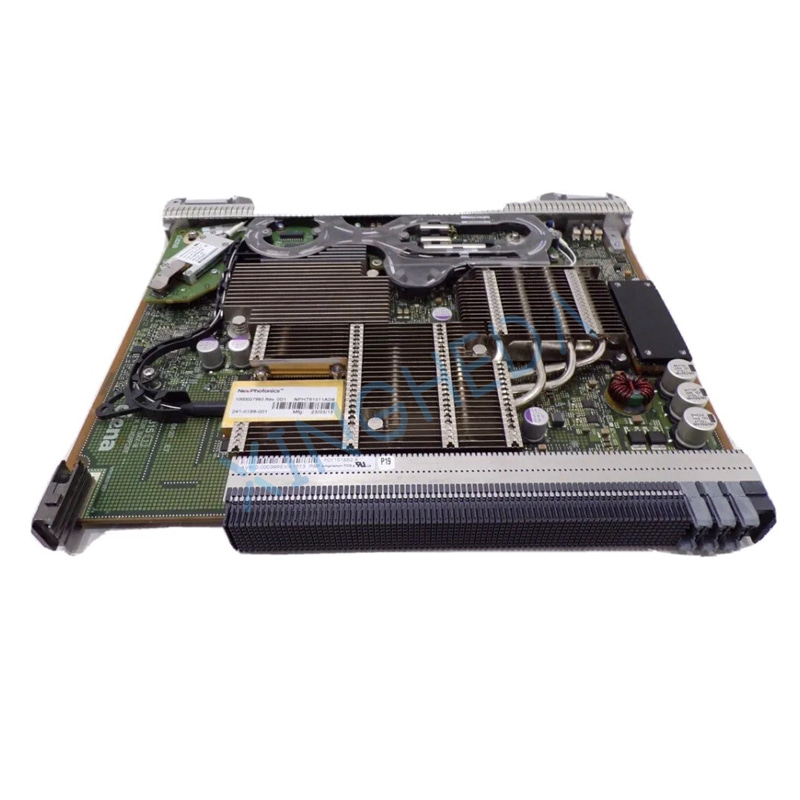
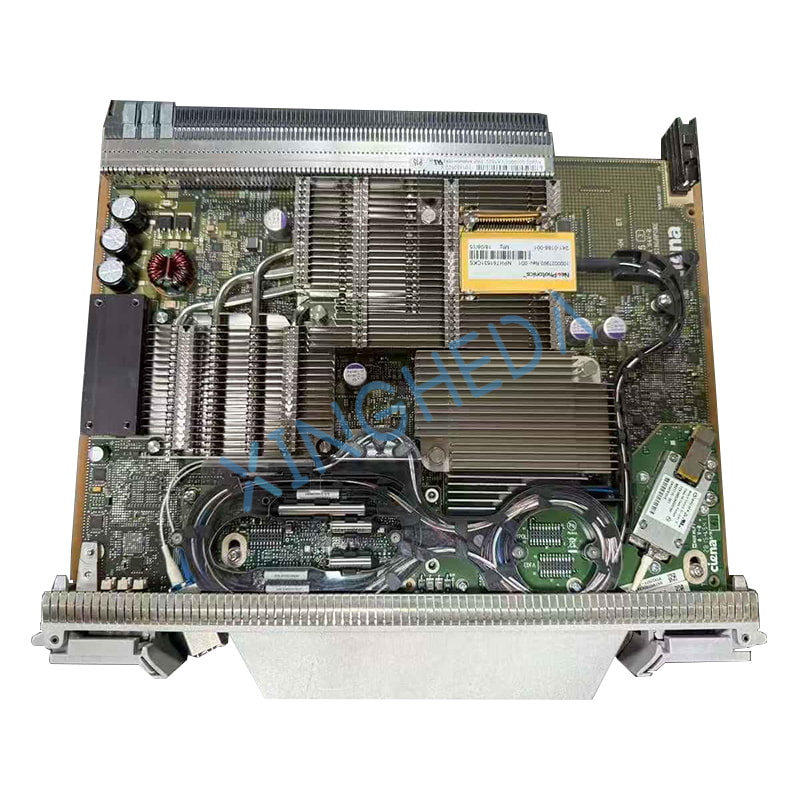
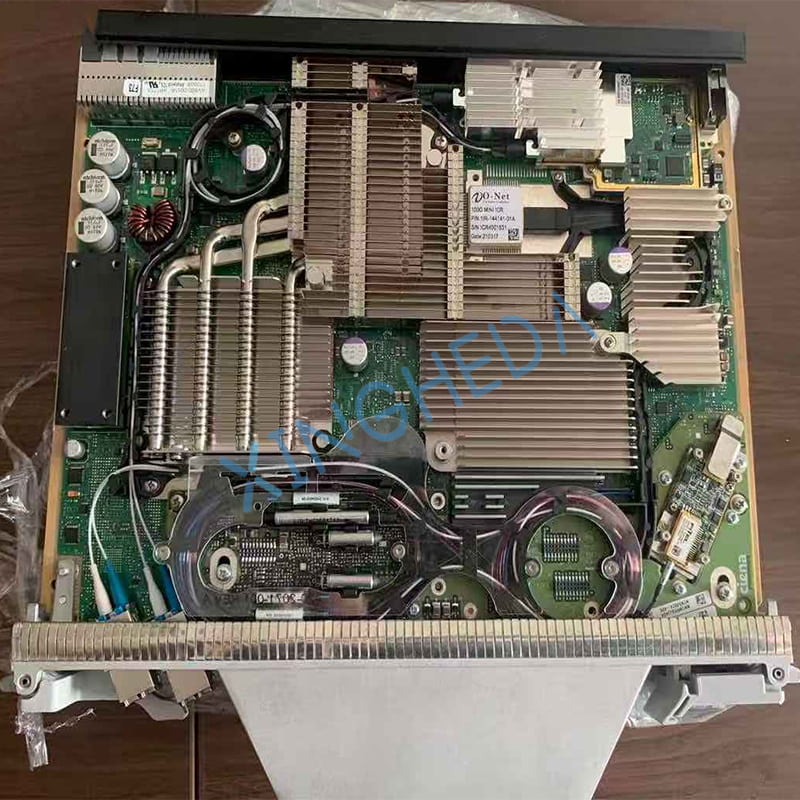
La Ciena 6500 Series est une plateforme convergée multiservice modulaire qui intègre la commutation de paquets, la commutation OTN et les technologies photoniques DWDM cohérentes dans une architecture unifiée unique. Contrairement aux dispositifs réseau discrets traditionnels qui séparent la transmission optique et le routage de paquets, la 6500 Series fait converger de multiples fonctions réseau, éliminant le matériel redondant et simplifiant l'architecture réseau. Elle couvre des scénarios de déploiement complets, de l'accès en périphérie et l'agrégation métropolitaine jusqu'au cœur de réseau et aux connexions DCI, offrant une flexibilité, une densité et des capacités d'automatisation inégalées pour les réseaux optiques de nouvelle génération.
1. Densité ultra-élevée et conception peu encombrante
Dotée d'une conception de châssis modulaire compact, la 6500 Series réduit l'encombrement des équipements jusqu'à 70 % par rapport aux systèmes optiques traditionnels basés sur châssis. Ses modules de service haute densité prennent en charge une large gamme de spécifications d'interface, des services 2,5G à faible débit aux services de paquets 800G DWDM et 100GbE haute performance. Des modèles tels que les étagères flexibles 13RU 6500-D14 et 6500-S14 peuvent être personnalisés pour répondre aux différentes exigences d'échelle de site, économisant efficacement l'espace du centre de données, la consommation d'énergie et les coûts de déploiement pour les opérateurs.
2. Programmabilité intégrée et automatisation intelligente
Conçue pour les réseaux adaptatifs définis par logiciel, la 6500 Series est équipée d'API ouvertes complètes et de modèles de données réseau modernes, prenant en charge la télémétrie réseau en temps réel et l'automatisation intelligente. Elle intègre nativement le provisionnement Zero-Touch (ZTP), la découverte automatique du réseau et des fonctions de surveillance en temps réel, ce qui simplifie grandement le déploiement des appareils, l'exploitation quotidienne et le dépannage des pannes. Le plan de contrôle intelligent intégré permet une planification des ressources à la demande et un ajustement flexible des services, réalisant ainsi des services de réseau optique véritablement programmables.
3. Technologie photonique cohérente leader de l'industrie
Propulsée par la photonique cohérente avancée WaveLogic de Ciena, la 6500 Series offre des performances de transmission optique et une utilisation du spectre de fibre supérieures. Elle prend en charge des mises à niveau simples et efficaces de la bande L pour doubler la capacité de fibre existante sans remplacement matériel à grande échelle, maximisant ainsi la valeur des ressources de fibre existantes. L'architecture hybride de commutation OTN et de paquets optimise l'allocation des ressources réseau, garantissant une transmission efficace et un support stable des services à large bande passante et à faible latence.
4. Compatibilité multiservice et larges scénarios d'application
La plateforme permet une compatibilité parfaite entre les services TDM traditionnels et les services Ethernet, cloud et DCI modernes. Elle peut prendre en charge de manière flexible des scénarios de service incluant les réseaux porteurs des opérateurs télécoms, l'interconnexion de centres de données cloud, les réseaux privés gouvernementaux et d'entreprise, les réseaux de communication des services publics et les systèmes de transmission optique sous-marine. Que ce soit pour un accès en périphérie à petite échelle ou une transmission dorsale centrale à grande capacité, la 6500 Series peut effectuer une configuration précise et une adaptation flexible.
FAQ
Q1 : Quel est le positionnement principal de la Ciena 6500 Series ?
La Ciena 6500 Series est une plateforme de transport optique par paquets convergée conçue pour les réseaux adaptatifs modernes. Elle intègre des fonctions photoniques de paquets, OTN et DWDM, remplaçant les dispositifs de transmission et de commutation discrets traditionnels. Elle est principalement utilisée pour les scénarios de cœur métropolitain, de couche d'agrégation, d'interconnexion de centres de données et de transmission optique dorsale, aidant les opérateurs à construire des réseaux optiques de nouvelle génération simplifiés, automatisés et évolutifs.
Q2 : Quels sont les modèles courants et les spécifications de châssis de la 6500 Series ?
La 6500 Series couvre plusieurs modèles de châssis modulaires pour s'adapter à différentes échelles de déploiement. Les modèles courants incluent les étagères compactes 6500-D7/S8 pour les scénarios d'accès en périphérie et de petite agrégation, et les étagères haute densité 13RU 6500-D14/S14 pour les scénarios de cœur de réseau moyen et grand et de DCI. Tous les modèles prennent en charge les modules de service et les alimentations remplaçables à chaud, garantissant un service ininterrompu pendant les mises à niveau et la maintenance du matériel, avec une grande flexibilité de déploiement.
Q3 : Comment la 6500 Series réduit-elle les OPEX et CAPEX du réseau ?
Elle réduit les dépenses d'investissement en faisant converger les fonctions réseau multicouches en une seule plateforme, réduisant le nombre d'appareils requis et l'investissement matériel. Sa conception à ultra-haute densité économise l'espace dans les armoires et réduit la consommation d'énergie et de refroidissement. En termes de coûts opérationnels, le provisionnement automatique ZTP intégré, la surveillance en temps réel et les fonctions de diagnostic intelligent des pannes réduisent l'intervention manuelle, raccourcissent les cycles de déploiement des services et le temps de traitement des pannes, et réduisent considérablement les coûts d'exploitation et de maintenance du réseau à long terme.
Q4 : La 6500 Series prend-elle en charge la mise à niveau du réseau et une évolution fluide ?
Oui, la 6500 Series prend en charge une évolution réseau parfaitement fluide. Elle est compatible avec les services TDM et SDH existants tout en prenant en charge les services optiques cohérents et de paquets haut débit courants. Les opérateurs peuvent effectuer l'extension de capacité et les mises à niveau de service par un simple remplacement de module et une itération logicielle, y compris l'extension du spectre en bande L pour doubler la capacité de fibre. L'architecture logicielle ouverte prend également en charge une adaptation transparente aux futures mises à niveau SDN et réseau cloud, protégeant ainsi l'investissement réseau existant.
Q5 : Quels débits de service et types d'interface la 6500 Series prend-elle en charge ?
La plateforme prend en charge une gamme complète de spécifications de débit de service, couvrant les services optiques traditionnels 2,5G/10G, les services Ethernet 10GbE/100GbE et les services de transmission cohérente DWDM 400G/800G haut de gamme. Elle prend en charge plusieurs interfaces standard telles que OTN, Ethernet et TDM, réalisant un support transparent et une commutation flexible de divers services, et répondant aux diverses exigences de bande passante des lignes privées d'entreprise, de l'interconnexion cloud, du support 5G et d'autres scénarios.